
Too Good To Go: Save Good Food
Too Good To Go ApsFood & Drink
4.915.09K Reviews
- Version
- 26.11.1
- Installs
- 50.00M
- Age Rating
- Everyone
Screenshots

Our Review of Too Good To Go: Save Good Food
 Analysis by Appyee
I like the idea behind Too Good To Go, but what makes the app appealing is how it turns that idea into a practical choice: you can find surplus food nearby, reserve it, and collect it at a set time. The trade-off is that you are choosing a chance at a good surprise rather than ordering a specific meal. If you can be flexible about what you eat and when you collect it, that uncertainty can be part of the fun. If you need a particular dish or a tightly planned dinner, it may be a poor fit.
A deal with a little uncertainty
The basic appeal is straightforward: participating local businesses offer food they have left over, and users can buy it for less than its usual price. That makes the app different from a standard takeaway or restaurant-ordering service. Those services are built around choosing exactly what you want; here, the value depends on being open to what is available at collection time.
I would treat a Magic Bag as a flexible food option, not a guaranteed replacement for a planned grocery shop. It might be a useful extra for tomorrow’s breakfast, a snack to share, or a way to try a nearby bakery. It is less useful when you need an exact ingredient, have no room to store extra food, or are counting on a particular meal at a particular hour.
That distinction also helps set expectations about savings. The app’s purpose is to offer rescued food at a reduced price, but the practical value depends on whether you will actually eat what you collect. A low-cost bag is not a bargain if its contents do not suit your appetite, schedule, or household. I find it smarter to reserve only when I can use a range of possible items rather than when I am hoping for one specific treat.
How it fits into an ordinary day
Picture finishing work and checking the map on your way home. A nearby shop has a collection window that fits your route, so you reserve a bag rather than making a separate trip. At pickup, you receive whatever surplus the business has set aside. If it is bakery food, some can go on the table that evening and the rest can become breakfast; if the selection is not what you expected, you still need to decide whether it can be used before it goes stale.
That last part is easy to overlook. The app can help you find food, but it cannot make an inconvenient collection time convenient or ensure every item suits your household. I would check the pickup window before paying, consider how far out of the way the location is, and think through how quickly I can use the food. Those small checks make the difference between a satisfying rescue and a bag that creates a new problem.
For a more deliberate routine, I would browse at a time when I already know my plans for the day. The map and list views make it possible to compare nearby options, while notifications can alert you to availability. Rather than chasing every alert, I would use them as a prompt to check whether a collection genuinely fits. That keeps the app from turning a good intention into an unnecessary detour.
What's the Buzz About?
So, Too Good To Go is all about saving surplus food from restaurants, cafes, and stores that would otherwise go to waste. The idea is simple but brilliant: you get to enjoy delicious food at a fraction of the price, and the food gets a second chance. Win-win, right?
Getting Started
First things first, downloading the app was a breeze. It’s available for both Android and iOS, so no worries there. Once you open it, you’re greeted with a clean and intuitive interface. Setting up your account is quick, and you can start exploring right away.
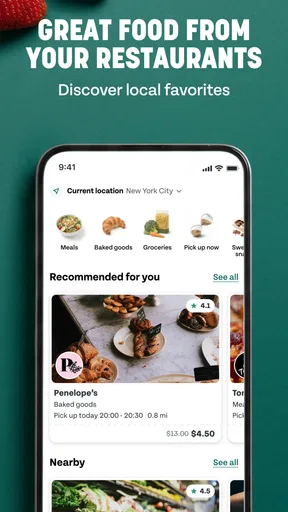
When you dive into the app, you'll notice a list of nearby spots offering "Magic Bags". These are bags filled with surprise food items that are perfectly good but need rescuing. The anticipation of not knowing exactly what you’ll get adds a bit of excitement!
The first useful check is not just what a shop sells, but whether you are comfortable with its kind of surprise. If you are browsing bakeries, for instance, ask yourself whether you can use a mix of breads and pastries rather than expecting one particular item. Ratings and reviews from other users can offer a clue about their experiences, but they are not a promise that your own bag will contain the same things. Surplus changes from day to day, which is the point of the model as well as its central limitation.
Using the App
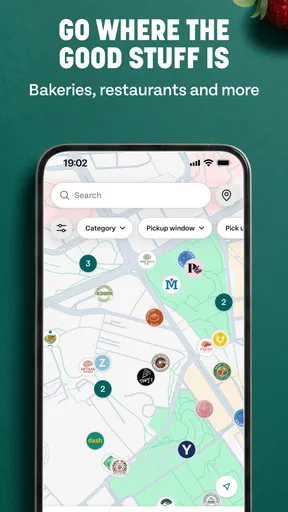
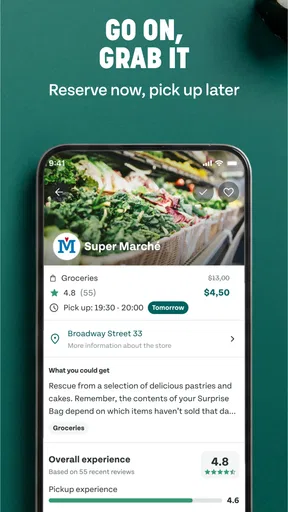
Navigating through the app was a smooth sail. You can see a map view or list view of participating locations. Filters allow you to refine searches based on your preferences or dietary needs. Once you spot something you like, simply reserve a Magic Bag, pay through the app, and get ready to pick it up during the designated time slot.
I tried it out with a local bakery, and let me tell you, the goodies were delightful. Fresh pastries and breads that felt like a steal at the price I paid. Plus, knowing I was helping reduce food waste made my croissant taste even better.
For the least stressful first pickup, I would choose a place that is already on a route I travel and a collection period I can reliably meet. That is a better test of the service than selecting the most tempting listing across town. It also lets you judge the full experience—not just the food, but the handoff, the timing, and whether the bag suits your routine. One successful pickup can help you decide whether to make it a regular habit or keep it for occasional finds.
What to expect from the surprise
The surprise format calls for a little planning at home. Before reserving, I would consider who will eat the food, whether there is space to store it, and what meals could accommodate a mix of items. If you share a household, it can help to think of the bag as something to split rather than assume everyone will want the same thing. For one person, a smaller appetite or a busy evening can make even a generous selection harder to use in time.
Dietary needs deserve particular attention. Filters can help narrow a search, but I would still avoid treating a filter as a guarantee that every item will suit a strict allergy or other serious restriction. When exact ingredients matter, a direct order from a menu or a planned grocery purchase gives you more control. The app makes most sense when your preferences are broad enough to leave room for variation.
It is also worth separating the app’s environmental purpose from the practical decision. Rescuing food is a welcome outcome, but the most useful choice is still a bag you can collect and eat. I would not reserve solely from guilt or because an alert appears; I would reserve when the location, time, and likely food all work for me. That is how I see the app supporting a thoughtful habit instead of encouraging impulse buying.
Features That Shine
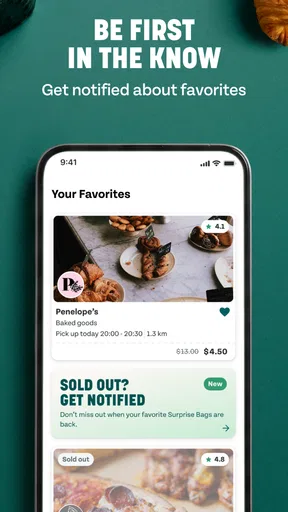
One of the features I loved is the app’s notification system. It keeps you updated when new Magic Bags become available, so you never miss out on a great deal. Plus, the app includes a helpful FAQ and support section in case you run into any issues.
Another cool aspect is the community feel. Users can leave reviews and ratings for the places they’ve rescued food from, which helps others make informed choices. It’s like a little club of waste warriors, all working together for a greater cause.
I see reviews as a way to learn about the pickup experience and general expectations, not as a menu preview. A business may have a strong reputation while still offering a different mix on another day. Reading comments can help you decide whether a location seems worth trying, but I would keep enough flexibility to accept variation. That is more realistic than using past reviews to predict the contents of an individual bag.
Where it sits among food apps
Compared with ordering takeaway, this is a weaker choice when you want precise control over ingredients, portion, and arrival time, but a stronger fit when you are nearby and open to whatever surplus is available. Compared with grocery shopping, it is less dependable for planning meals across a week because you cannot build a specific basket around a recipe. Its advantage is the possibility of getting useful food at a lower cost while giving unsold items another destination.
That makes it best as a complement, not a total replacement for the usual ways of getting food. I would keep my normal grocery plan for staples and use the app opportunistically for a bakery bag or another suitable local offer. If the collection requires a special trip, the time and travel may outweigh the saving. If it is already on the way home, the same offer can feel much more worthwhile.
Too Good To Go is a free Food & Drink app from Too Good To Go Aps. It has an average rating of 4.9 from around 1.9 million ratings, and it has been installed over 50 million times. The app is rated for Everyone, with version 26.2.1 and a minimum operating system requirement of 8.0. I mention that because the service is most useful when it is easy to check nearby listings as part of your everyday routine, rather than something you open only after making a rigid meal plan.
Why It Matters
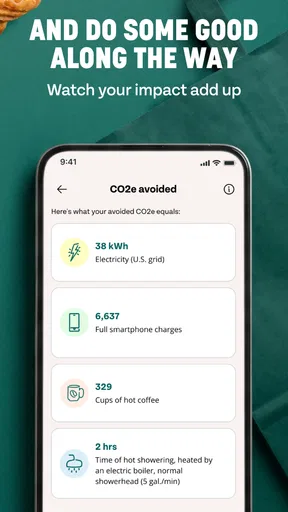
Food waste is a huge problem globally, with millions of tons going to waste each year. By using apps like Too Good To Go, we’re not just saving money but also playing a part in a larger environmental movement. It feels good to know you’re contributing positively to the planet, one meal at a time.
The personal benefit is easiest to see when a rescued bag replaces food you would otherwise have bought and eaten. If it becomes an extra purchase that sits untouched, the value is smaller. I think that is a useful way to judge each reservation: not by the appealing idea alone, but by whether the food fits into a real meal or snack. The app gives you an opportunity to reduce waste; your own planning determines how much of that opportunity becomes practical.
Who will get the most from it
I would recommend it most to people with a little flexibility: students looking for a lower-cost treat, households that can share mixed items, and anyone whose regular route passes participating businesses. It can also suit curious eaters who enjoy discovering what a local shop has available rather than selecting from a fixed menu. The strongest fit is someone who can adjust a meal around what turns up and collect within the stated window.
I would be more cautious if you have strict dietary requirements, need predictable portions, or cannot reliably reach a pickup location at its collection time. It may also frustrate anyone who dislikes surprises or expects a particular item because a previous bag contained it. In those cases, ordinary grocery shopping or a made-to-order meal is likely the more dependable choice, even if it does not offer the same rescue-food premise.
For a first attempt, I would keep expectations modest: choose a nearby place, pick a time you can meet without rushing, and plan to use a variety of possible items. After collecting, note whether the location and amount worked for you, then use that experience to guide your next search. That personal pattern is more helpful than assuming every listing will suit every day.
The Verdict
All in all, I’d say Too Good To Go is a must-have app for anyone who loves good food and hates waste. It’s user-friendly, effective, and genuinely makes a difference. Whether you’re a student on a budget, a busy professional, or just someone who cares about sustainability, this app is worth a download.
So, why not give it a go? You might just find your new favorite spot while making the world a little greener. Happy rescuing!
Privacy and Permissions
See what permissions an app requests and how it handles your data.
- Calendar
- read calendar events plus confidential information, add or modify calendar events and send email to guests without owners' knowledge
- Location
- approximate location (network-based), precise location (GPS and network-based)
- Photos/Media/Files
- read the contents of your USB storage, modify or delete the contents of your USB storage
- Storage
- read the contents of your USB storage, modify or delete the contents of your USB storage
- Camera
- take pictures and videos
- Wi-Fi connection information
- view Wi-Fi connections
- Other
- view network connections, expand/collapse status bar, full network access, run at startup, control vibration, prevent device from sleeping, read Google service configuration
Verdict
Strengths of Too Good To Go: Save Good Food
- User-friendly interface for easy navigation.
- Helps reduce food waste significantly.
- Affordable deals on surplus food.
- Supports local businesses effectively.
- Promotes sustainable living practices.
Limitations of Too Good To Go: Save Good Food
- Limited availability in smaller towns.
- Occasional app performance glitches.
- Variety depends on local partners.
- Not all food preferences accommodated.
- No option for delivery, pick-up only.
Similar Picks in This Category
View All
Rappi: Food Delivery, Grocery
Rappi, Inc - Delivery3.5

McDonald’s: Cupons e Delivery
Arcos Dorados4.3

Swiggy: Food Instamart Dineout
Swiggy4.7

Blinkit: Groceries & more
Blinkit4.8

foodpanda: food & groceries
Foodpanda GmbH a subsidiary of Delivery Hero SE4.0

Zomato: Food Delivery & Dining
Zomato4.7
Frequently Asked Questions
What is Too Good To Go, and how does it work?
Too Good To Go is an app designed to combat food waste by connecting users with local eateries that have surplus food. Users can purchase this excess food at a reduced price, helping both the environment and their wallets. Simply browse the app for nearby deals, make a purchase, and pick up your meal during the specified time window.
Is Too Good To Go available in my area?
Too Good To Go is continually expanding its reach across various cities and countries. To check availability, download the app and allow location access. The app will show participating restaurants and stores in your vicinity. If it's not yet available in your area, you can sign up for notifications to be informed when it launches near you.
What kind of food can I expect to receive?
The type of food available varies depending on the participating restaurant or store. You might get anything from pastries at a bakery to full meals from restaurants. The exact contents are often a surprise, but the app provides some details on the type of cuisine and dietary options available, allowing users to make informed choices.
How do I pay for my purchases on Too Good To Go?
Payments on Too Good To Go are made directly through the app using various secure methods, including credit/debit cards and digital wallets. Once you’ve made a purchase, you’ll receive an electronic receipt and a pickup confirmation. This process ensures a seamless and contactless transaction, which is both convenient and secure.
What if I have dietary restrictions or allergies?
While Too Good To Go aims to provide some information about the available meals, the exact contents might not always be fully disclosed due to the nature of surplus food. If you have dietary restrictions or allergies, it’s best to contact the establishment directly before purchasing to ensure that their offerings are suitable for your needs.
